
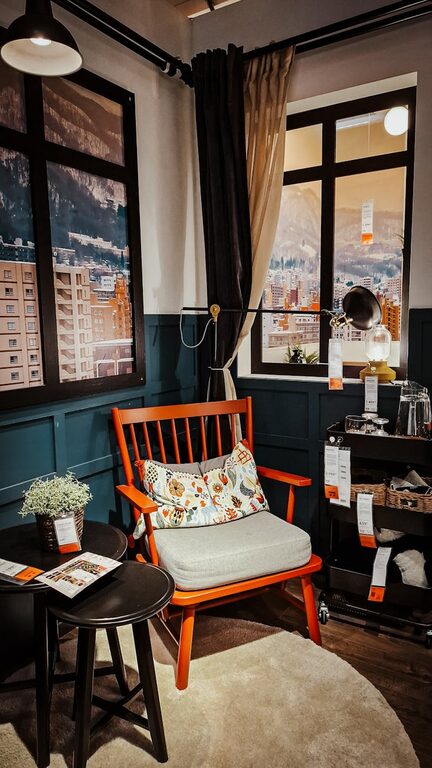
Creating a peaceful and inviting atmosphere at home starts with the colors you choose for your walls, furniture, and decor. Calm colors can make a big difference, helping you feel more relaxed and comfortable in your living space. Whether you’re redecorating a single room or your whole house, choosing the right palette can promote tranquility and balance.
In this post, we’ll guide you through essential tips for selecting calm colors that suit your style and space. From understanding color psychology to practical advice on combinations, you’ll be ready to create a soothing environment that feels just right.
Why Choose Calm Colors?
Calm colors are typically soft, muted, and subtle tones that don’t overwhelm the senses. They can lower stress, promote restful sleep, and improve overall mood. Unlike bold and bright hues, calm colors tend to create a sense of space and openness, making rooms feel more airy and peaceful.
Common calm colors include gentle blues, soft greens, warm neutrals, and pale pastels. Each color can have a slightly different effect, so choosing the right shades helps achieve the atmosphere you want.
Understand Color Psychology
Before selecting colors, it helps to understand a bit about how colors affect emotions:
– Blue: Often associated with calm and serenity. Light blues can make a room feel cool and peaceful.
– Green: Reminds us of nature. It’s refreshing, restful, and easy on the eyes.
– Beige and Taupe: Neutral shades that provide warmth without overpowering the space.
– Lavender and Soft Pinks: Pastel purples and pinks can add a delicate, soothing touch.
– Gray: When used in lighter tones, gray offers modern calmness but can sometimes feel cold if overused.
When selecting a calm color, think about the mood you want to create and choose hues aligned with those feelings.
Tips for Choosing Calm Colors for Your Home
1. Start with Natural Light
Lighting plays an important role in how colors appear. Observe your room at different times of the day to see how natural light affects the color tones. Rooms with lots of sunlight can handle cooler, muted blues or greens beautifully. On the other hand, rooms with less light often benefit from warm neutrals, which add coziness without feeling dark.
2. Test Paint Samples
Never rely solely on paint chips from the store. Buy small sample pots and paint sections of your wall. Observe how the color changes at different times of the day and under artificial light. This will help you avoid unpleasant surprises and pick the calm shade that suits your space perfectly.
3. Create a Balanced Color Palette
Calm colors don’t mean monotony. Use a mix of complementary neutrals and accent shades to add interest. For example, pairing a soft sage green wall with cream furniture and light wood accents can create a layered, welcoming room.
4. Consider the Purpose of Each Room
Different rooms call for different vibes. For bedrooms, calming colors like pale blue or lavender help support relaxation and sleep. In living rooms, soft greens or warm neutral tones invite comfort and conversation. Bathrooms can feel spa-like with light grays or seafoam hues.
5. Use Texture and Contrast
Colors look more dynamic when combined with varied textures: fabrics, rugs, wood grains, or metal finishes. Combining different textures adds depth even in a palette of calm colors. Additionally, consider subtle contrasts—darker trims or slightly richer cushions—to avoid a flat or dull look.
Popular Calm Color Ideas for Your Home
Here are some crowd-pleasing calm color choices and pairings:
– Soft Blue + White + Natural Wood: Classic and fresh, this palette works well in bedrooms and kitchens.
– Sage Green + Cream + Warm Brown: Earthy and serene, perfect for living rooms or dining areas.
– Light Taupe + Ivory + Soft Gold Accents: Elegant and cozy, great for spaces where you want understated warmth.
– Pale Lavender + Gray + Silver: Gentle and sophisticated, ideal for a relaxing home office or bedroom.
– Powder Pink + White + Light Oak: Subtle and inviting, adds a touch of softness without overwhelming.
Avoiding Common Mistakes
– Too much gray or beige: While neutral, too much can feel bland or gloomy. Introduce warmth or soft accents to enliven the space.
– Ignoring undertones: Colors often have subtle undertones (cool or warm) that can clash with flooring or furniture. Analyze undertones carefully before deciding.
– Forgetting about maintenance: Some light paints show stains or marks easily. If you have kids or pets, consider washable finishes or slightly darker tones.
– Overwhelming with too many colors: Stick to a consistent calm palette rather than mixing too many different hues, which can dilute the calming effect.
Final Thoughts
Choosing calm colors for your home is a wonderful way to create an oasis of tranquility amid busy daily life. By understanding how colors influence mood and applying simple tips like testing samples and balancing your palette, you’ll design a space that feels peaceful and welcoming.
Remember, calm colors don’t have to be boring. With thoughtful combinations and textures, you can enjoy a fresh, elegant, and soothing home environment tailored to your taste.
Start with a few samples today and watch how calm colors transform your space!