
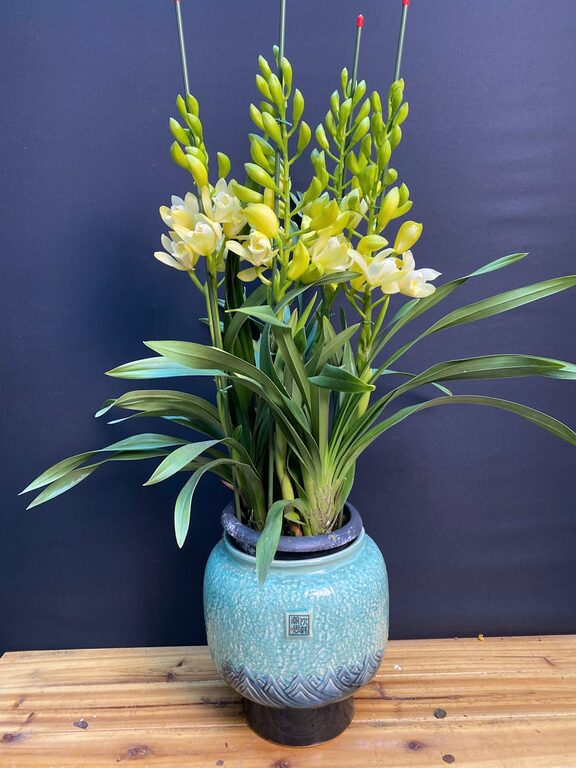
Bringing houseplants into your home can brighten up any space and offer numerous benefits, from improving air quality to boosting your mood. However, keeping them healthy requires some attention and care. Whether you are a seasoned plant parent or just starting your indoor garden, these essential tips will help your houseplants thrive.
Understanding Your Houseplants’ Needs
Every plant species has its unique preferences for light, water, temperature, and humidity. Understanding these basic needs is the first step in ensuring their health.
Light Requirements
– Identify the plant’s natural habitat: Some plants like bright, direct sunlight (e.g., succulents and cacti), while others thrive in low-light environments (e.g., snake plants and pothos).
– Position accordingly: Place sun-loving plants near south or west-facing windows and shade-tolerant ones in east-facing windows or further from windows.
– Rotate plants regularly: To promote even growth, turn your plants every week or two.
Watering Wisely
– Avoid overwatering: Overwatering is a common cause of plant stress and root rot. Always check soil moisture before watering by sticking your finger about an inch into the soil.
– Water needs vary: Some plants like constant moisture (e.g., ferns), while others prefer dry periods between watering.
– Use well-draining pots: Ensure your pots have drainage holes to prevent waterlogging.
Maintaining Proper Humidity and Temperature
Houseplants often reflect the humidity and temperature of their environment. Most tropical plants thrive in moderately humid and warm conditions.
– Increase humidity if needed: Use a humidifier, place plants together, or set pots on trays filled with water and pebbles.
– Keep stable temperatures: Avoid placing plants near drafts, heaters, or air conditioners, which can cause stress.
– Ideal temperature range: Most houseplants prefer temperatures between 65°F and 75°F (18°C to 24°C).
Feeding and Fertilizing
Plants require nutrients to grow healthy and strong, and potting soil eventually loses its nutrient content.
– Use balanced fertilizers: Apply a houseplant fertilizer diluted to half strength every 4-6 weeks during the growing season (spring and summer).
– Avoid over-fertilizing: Excess fertilizer can burn roots or cause rapid, weak growth.
– Repot if necessary: Refresh potting soil every 1-2 years to ensure nutrient availability and room for growth.
Pruning and Cleaning Your Plants
Regular upkeep helps plants look their best and promotes healthy new growth.
Pruning
– Remove dead or yellow leaves: This prevents disease and redirect the plant’s energy.
– Trim leggy growth: Cut back stems that are stretched out to encourage bushier growth.
– Use clean tools: Always sterilize scissors or pruning shears to avoid spreading infections.
Cleaning
– Wipe leaves: Dust can block sunlight; gently wipe leaves with a damp cloth.
– Shower plants: Occasionally giving plants a lukewarm shower helps wash off dust and pests.
Preventing and Managing Pests
Indoor plants can still attract common pests like spider mites, aphids, and mealybugs.
– Inspect plants regularly: Check the undersides of leaves and stems for signs of insects.
– Use natural remedies: Soap and water sprays or neem oil are effective, gentle treatments.
– Isolate affected plants: Prevent pests from spreading to your other plants.
Choosing the Right Pot and Soil
The right container and soil can make a significant difference in plant health.
– Choose appropriate pot size: Pots should be slightly larger than the root ball to allow room for growth but not too large which can hold excess moisture.
– Use quality potting soil: Avoid garden soil and use a blend suitable for your plant type, such as cactus mix for succulents or peat-based soil for tropical plants.
– Ensure drainage: Prevent root rot by having drainage holes at the bottom of pots.
Establish a Consistent Care Routine
Consistency is key to happy houseplants.
– Set reminders: Use calendar alerts for watering and feeding schedules.
– Observe plant behavior: Look for changes in leaf color, growth rate, and overall appearance as signs your care routine is working or needs adjustment.
– Enjoy the process: Caring for plants can be therapeutic and rewarding, so take time to appreciate their growth.
—
By following these practical tips, you can create a nurturing environment for your houseplants and enjoy their beauty for years to come. Remember, every plant is different, so patience and observation will help you develop the best care routine tailored to your green companions. Happy planting!