
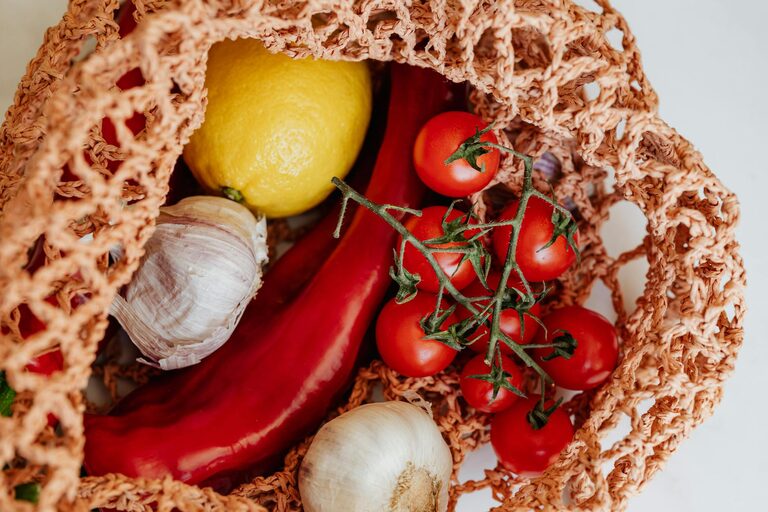
Reducing food waste is a powerful way to save money, protect the environment, and make better use of the food we buy. Many households generate a significant amount of food waste each week without realizing the impact. The good news is that with a few mindful habits and some planning, you can cut down on food waste at home easily. This post shares practical tips that anyone can apply, no matter your cooking or shopping habits.
Why Reducing Food Waste Matters
Before diving into tips, it’s worth understanding why reducing food waste is important. Food waste contributes to methane emissions in landfills, uses up resources like water and energy, and wastes money spent on uneaten food. By cutting food waste, you help decrease environmental harm and improve your household budget.
Plan Your Meals and Shopping
Make a Weekly Meal Plan
One of the most effective ways to reduce food waste is meal planning. Creating a simple plan for the week helps you buy only what you need. Consider:
– Checking what you already have before shopping
– Writing down recipes and ingredients for planned meals
– Including some flexible meals using perishables near expiry
Shop with a List
Shopping with a list based on your meal plan keeps you focused on necessary items and avoids impulse buys that may go unused. Stick to the list and be mindful about quantities, especially if buying perishable items.
Store Food Properly
Understand Storage Needs
Different foods require different storage methods to stay fresh longer. For example:
– Keep leafy greens in a loosely sealed container or wrapped in a damp towel in the fridge
– Store bread in a bread box or freezer to prevent molding
– Keep fruits like apples and bananas separate as they emit ethylene gas that speeds ripening
Use Clear Containers and Labels
Keep opened packets or leftovers in clear, airtight containers with labels that include the date. This visual cue helps you use items before they spoil.
Use Leftovers Creatively
Repurpose Leftovers
Instead of throwing away leftovers, turn them into new meals. Ideas include:
– Adding cooked vegetables to soups, stews, or omelets
– Using stale bread for breadcrumbs or croutons
– Making smoothies with overripe fruit
Start a Leftover Night
Set one night a week as a “leftover night” to eat up any remaining food from the week, reducing waste and saving cooking time.
Manage Portions and Serving Sizes
Serve Smaller Portions First
Serving smaller portions helps avoid uneaten food on plates. People can always go back for seconds if still hungry, minimizing waste from uneaten meals.
Understand Recommended Portions
Familiarize yourself with reasonable serving sizes based on your family’s appetite to avoid over-preparing.
Compost Food Scraps
Set Up a Compost Bin
Even with careful planning, some food scraps are unavoidable. Composting vegetable peels, coffee grounds, and eggshells reduces landfill waste and creates nutrient-rich soil for your garden.
Learn What to Compost
Avoid composting meat, dairy, and oily foods that can attract pests and cause odors. Focus on plant-based scraps.
Monitor Expiry Dates and Rotate Stock
Regularly Check Your Pantry and Fridge
Take time weekly to inspect your food and identify items approaching expiry. Prioritize using those first.
Practice FIFO (First In, First Out)
Place newly purchased items behind older ones in your fridge and pantry to use older stock first.
Freeze and Preserve Surplus Food
Freeze Leftovers and Perishables
Many foods freeze well and last much longer in the freezer than in the fridge. Portion leftovers and freeze them for later meals.
Try Preservation Techniques
Learn basic preserving methods such as pickling, drying, and canning to extend the life of fresh produce.
Educate Your Household
Involve Family Members
Discuss food waste with your household and encourage everyone to follow waste-reducing habits.
Teach Kids About Food Waste
Engage children in meal planning, shopping, and cooking to build awareness that supports long-term change.
Final Thoughts
Reducing food waste at home is achievable with a little effort and mindfulness. By planning meals, storing food properly, creatively using leftovers, managing portions, composting scraps, and involving your family, you can make a positive impact both financially and environmentally. Start small and add new habits gradually — every bit counts.
Try implementing one or two tips this week and see how much food you can save!